
 Book Appointment

Reviewed by
Dr. Nimisha Singh,
Last updated: November 05, 2025






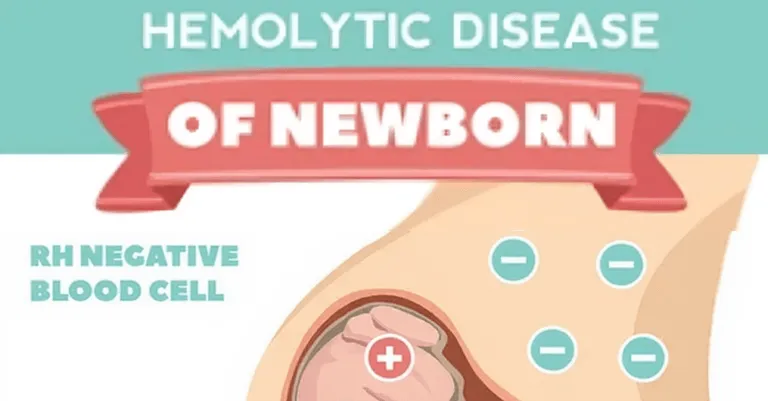
What is Haemolytic Disease in Newborns? A Complete Parent’s Guide is a comprehensive resource for parents and caregivers to understand Haemolytic Disease of Newborns (HDN). The guide explains why HDN occurs, primarily due to blood type incompatibility between mother and baby, and highlights the importance of early detection.
This guide explains it all: why it happens, what symptoms to look out for, how doctors diagnose it, and the treatment options available. You’ll also learn about prevention steps like anti-D injections and regular pregnancy monitoring. Most importantly, this guide will show you how to recognise signs like jaundice and anaemia early, so your baby gets the right care at the right time.

Haemolytic Disease of Newborns (HDN) is a medical condition that occurs when a baby’s red blood cells are destroyed faster than the body can replace them. This usually happens due to blood type incompatibility between the mother and baby.
The most common scenario involves an Rh-negative mother carrying an Rh-positive baby, causing the mother’s immune system to produce antibodies that attack the baby’s red blood cells. ABO incompatibility is another potential cause, although it tends to be less severe.
Early detection of HDN isn’t just important; it’s life-saving. Left untreated, it can quickly progress to dangerous conditions like severe anaemia, jaundice, or heart failure. Immediate medical care prevents these outcomes and gives newborns the best chance at recovery.
The more parents know about HDN, the better they can advocate for monitoring, diagnosis, and timely treatment to safeguard their newborn’s health.
The principal cause of haemolytic disease of the newborn (HDN) is maternal–fetal blood group incompatibility. Rh incompatibility occurs when an Rh-negative mother is carrying an Rh-positive fetus. Exposure to fetal red blood cells during pregnancy or delivery may stimulate maternal antibody production against the Rh antigen.
During a later pregnancy, a mother’s body may send antibodies across the placenta. If her baby is Rh-positive, those antibodies can attack the tiny red blood cells, leading to HDN. Another pathway is ABO incompatibility: when a type O mother carries a baby with blood group A, B, or AB, her antibodies may still cause damage, but the effects are often gentler than in Rh cases.
Although uncommon, HDN may also arise from congenital defects in erythrocyte enzymes (e.g., G6PD deficiency) or membrane proteins, rendering neonatal red cells more prone to haemolysis. Equipping healthcare providers with detailed knowledge of these mechanisms is key. It allows them to screen mothers for antibodies and plan care that lowers risks for mothers and infants alike.
Within hours of being born, a newborn may show signs of haemolytic disease.
A common symptom of HDN is jaundice. You may notice a yellow tint in the baby’s skin and eyes due to increased bilirubin.
If the baby appears pale, weak, unusually sleepy, or has difficulty feeding, it can indicate anaemia caused by rapid destruction of red blood cells.
In more severe cases, the liver and spleen swell as they work harder to filter damaged red blood cells.
In extremely severe HDN (hydrops fetalis), the newborn may develop swelling throughout the body, along with rapid breathing or signs of heart strain.
Early identification and immediate interventions — including exchange transfusion, intensive phototherapy, and supportive care — are essential for protecting newborn health and survival.
Finding out whether a baby has HDN begins even before birth. On the ultrasound screen, doctors may notice signs of anaemia or fluid building up where it shouldn’t be. At the same time, blood tests reveal the silent story of antibodies and blood groups, pointing to whether the newborn is at risk.
After your baby is born, doctors run simple tests on the cord blood and may use a Coombs test to see if antibodies are attacking red blood cells. They also check bilirubin levels to monitor jaundice. Detecting HDN early means your baby can get treatment quickly, lowering the chances of serious problems like severe anaemia or brain damage.
Serial blood tests and imaging studies allow clinicians to assess therapeutic response. Early and accurate diagnosis of HDN enhances survival rates and reduces long-term morbidity.
Doctors plan care for HDN by looking at how severe it is and how well your baby is doing, ensuring the safest approach.
When HDN is mild, light therapy helps gently lower bilirubin levels and restore the baby’s normal skin tone.
For infants with severe anaemia or dangerously high bilirubin, exchange transfusion replaces damaged red cells with healthy donor blood, preventing neurological complications.
If bilirubin does not reduce adequately with phototherapy, IVIG is given to protect red blood cells and decrease further destruction.
During recovery, hydration, oxygen, and regular testing help maintain healthy organ function and guide ongoing treatment decisions.
Timely and appropriate intervention in HDN significantly improves outcomes for newborns, reducing the risk of kernicterus, cardiac issues, and long-term anaemia.
Preventing HDN relies on prenatal care. Rh-negative mothers receive anti-D shots during and after pregnancy. Regular blood tests identify risk and allow early intervention.
Awareness of maternal and paternal blood types allows healthcare providers to plan safe pregnancies and monitor fetal health. Maternal follow-ups, adherence to medical advice, and timely administration of preventive treatments greatly reduce the risk of HDN in newborns. Parental education regarding prenatal care facilitates proactive measures to safeguard neonatal health.
Effective prevention, through anti-D injections, maternal screening, and careful monitoring, is vital to reduce complications and ensure newborn well-being.
Yellow skin, pale appearance, or anaemia in a newborn is serious. Breathing problems, swelling, or lethargy require urgent medical attention. Prompt evaluation of HDN is essential. Untreated or delayed assessment can result in cardiac or neurological complications. Early consultation ensures accurate testing, ongoing monitoring, and timely intervention.
Blood group incompatibility, particularly discrepancies in the Rh factor between maternal and fetal blood types.
HDN can be prevented by giving anti-D injections to Rh-negative mothers and attending all prenatal check-ups to monitor your baby’s health.
Jaundice, pale skin, anaemia, enlarged liver or spleen, and swelling in severe cases.
Yes, with early detection and proper treatment, HDN is treatable.
Maternal antibodies from a previous pregnancy may affect subsequent Rh-positive babies if preventive measures are not taken.
Rh incompatibility between an Rh-negative mother and an Rh-positive baby.
 Book Appointment
 9096453484