
 Book Appointment

Reviewed by
Dr. Nimisha Singh,
Last updated: November 05, 2025






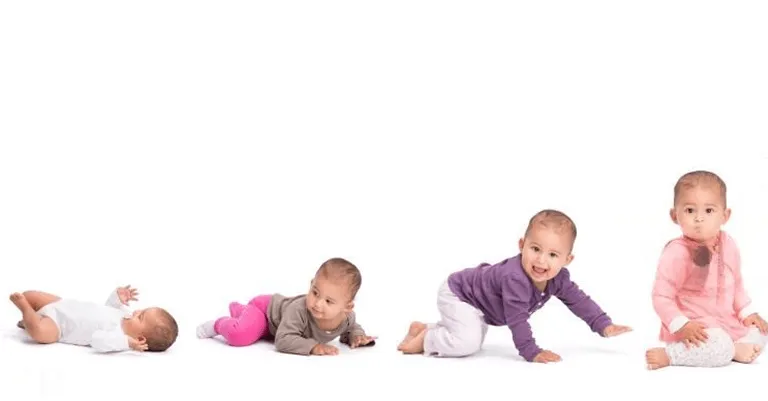
The Infant Stage of Development is the pinnacle stage of life, the first 12 months, when a newborn starts to explore and perceive the new world as it is. Each child has their own pace to grow and develop new habits. But the question is, do they develop with respect to a certain timeframe? The answer to this question is Yes.
Actually, each baby accomplishes some milestones in physical, mental, conceptual, and cognitive development each month. These month-to-month infant milestones have a pattern that allows parents to monitor their baby's development, health, and even some developmental issues in the initial stages. So, let's thoroughly know what these infant milestones are for each month up to 12 within this article.

The infant stage of development is essentially the initial 12 months of an infant's life, an age of brisk growth and incredible transformation. During this time, infants undergo dramatic changes in all areas of their lives, including physical, mental, and emotional development.
Physical growth includes the development of strength, increased muscle control, and learning to sit, crawl, and eventually walk. Cognitive growth includes face recognition, basic cause-and-effect knowledge, and learning to find one's way through the world through curiosity. Emotional development includes attachment, expression of feelings, and trust development with caretakers. Social development includes responding to interaction, familiar individuals, and beginning to communicate through gestures and sounds.
The tracking of these month-by-month milestones informs parents closely about the favourable changes, value the progress, and pick up on any lag in their baby. Although each baby grows at their own pace, these guidelines provide a framework for the baby's healthy growth.
Below is a collection of routines and changes your baby might develop through the infant phase of development, month-by-month:
The initial month of baby development is all about reflex activity, such as sucking, grasping, and the Moro reflex. There's not much movement during this time, and that too is uncoordinated, including elevating the head slightly for feeding purposes. The baby begins to react to sounds, particularly to known faces or loud noises. Also, a one-month-old infant can only view near objects like the faces of caregivers. Crying is the only medium of communication to indicate hunger or discomfort.
By the second month, babies start showing a social smile in response to familiar faces. Their head control improves, enabling them to hold their head upright for a longer period. Eye coordination matures, allowing them to follow moving objects. They respond to voices with calmness or excitement. This month highlights their shift from reflex-driven actions to more purposeful interaction.
Three-month-old infants recognise parents more clearly and show excitement while interacting. Neck and upper-body muscles strengthen, enabling smoother movements and improved head control. Babies use cooing and babbling to communicate interest. This period reflects the integration of physical, intellectual, and emotional growth.
A four-month-old infant may roll from tummy to back, showcasing better motor coordination. Hand-eye coordination improves, allowing them to reach and hold toys more intentionally. They respond actively to voices and babble more frequently. Infants explore surroundings using their hands to touch and grasp objects.
At five months, infants gain better overall body control. They may sit with support and grab objects with accuracy. Vocalisation becomes richer with babbling sounds. Some babies begin teething at this stage. Playful engagement and curiosity increase significantly.
Six-month-old babies typically sit without support as their core strength improves. Many are ready to explore solid foods during this time. They enjoy social play, respond to emotions, and laugh aloud. This month marks a major leap in mobility, social behaviour, and intellectual curiosity.
Infants begin crawling or scooting to explore their surroundings. Fine motor skills enable them to grasp smaller objects. They recognise their name and respond to familiar voices. Babies shake, bang, or drop things intentionally to explore cause-and-effect. Teeth growth becomes more noticeable.
During this stage, most infants pull themselves up to stand with support. They may take steps while holding furniture. First meaningful words like “mama” or “dada” appear. Cognitive development improves, including memory and object recognition. They develop a strong pincer grasp using thumb and forefinger.
As infants approach their first birthday, major independence milestones appear. Some begin to stand and walk without support. Speech progresses to a few understandable words. They show preferences for toys and food and imitate adult actions like clapping or using a phone. Curiosity drives learning as they transition toward toddlerhood.
Overall, the infant phase of growth is a journey with incredible progress from knowing nothing to introducing new month-by-month milestones. Tracking these infant milestones properly can provide some very valuable insights into your child’s pace of development, and also any concerning facts early on. However, remember that these milestones are only general guidelines, not universal truths that need to be the same for every child. That is, every child has their own pace to cope with and develop in all new surroundings. Therefore, do not compare your child with others, love them, care for them and most of all, be patient.
The infancy stage is the first 12 months of the baby's life. It is a time of fast physical, emotional, and social development.
Infants develop month by month with new abilities. These are movement, communication, and emotional attachment.
The infant stage is from birth to 12 months. From there, babies move on to the toddler stage.
Significant milestones are sitting, crawling, standing, and walking. First words and gestures also happen during this stage.
No, each baby grows at his or her own rate. Milestones are rough guidelines, not rigid rules.
If delays are serious or persistent, see a doctor. Early intervention can enable appropriate support.
Play, talk, and interact with your baby every day. Safe discovery and attachment create solid growth.
Yes, premature babies can take longer to achieve milestones. Physicians typically monitor the progress against corrected age.
 Book Appointment
 9096453484