
 Book Appointment

Reviewed by
Dr. Nimisha Singh,
Last updated: November 04, 2025



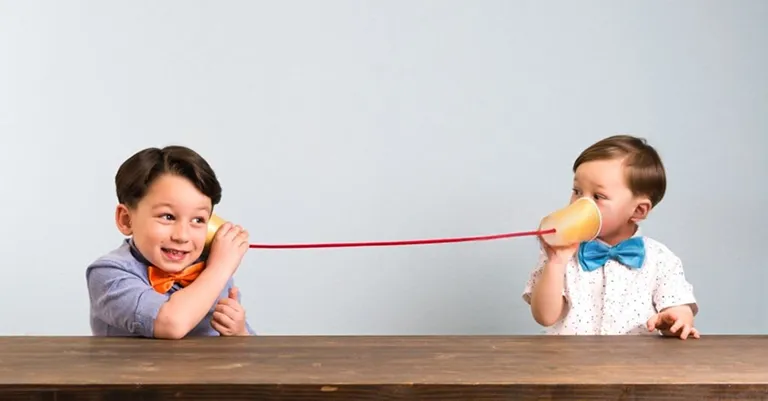
Hearing makes the world beautiful for anybody, but for infants, it is an even more important means of learning language, bonding with parents, and exploring the world. And, a hearing test for infants is one of the first and early screening tests, done to confirm any deformity in infant hearing. Even a slight delay in infant hearing screening can lead to lifelong hearing loss, making it the most crucial neonatal screening test.
The initial screening is itself a simple and safe procedure which takes only a few minutes to complete. But the impact of these few minutes of early diagnosis can last a lifetime, as early detection of such a disorder can help prevent the developmental issues of speech and language in children. That is, it provides ample time for doctors to develop a planned treatment option to support such babies.

Hearing is all about how infants acquire speech, communicate, and connect with the world. Even in the earliest weeks of life, babies start to identify known voices, react to comforting sounds, and mimic speech rhythms. If a hearing issue is not detected, it can quietly damage the capacity of a child to develop language skills, causing frustration, social isolation, and academic difficulty later in life.
The strongest argument for infant hearing screening is the importance of brain development. That is, the initial six months of life are essential to establish pathways that allow sound to associate with language. If intervention is initiated within this timeframe, children who experience hearing loss have a much better opportunity to develop normal speech and comprehension skills. Without prompt assistance, these pathways do not develop at all, producing a lifelong effect.
Statistics indicate that 1 to 3 out of every 1,000 infants are born with at least some hearing impairment. Most of these infants are otherwise healthy and have no obvious signs, making screening a crucial step. By identifying hearing difficulties early and with the appropriate interventions, parents and physicians can provide children with the necessary tools to succeed, communicate effectively, and live their best lives.
The timing of the hearing test is quite important, as it will determine the outcome of the test itself. Mostly, the hearing tests are conducted in this time frame:
| Age/Stage | When Should the Test Be Done | Why It’s Important |
|---|---|---|
| Newborn (at one month) | First screening for hearing is done within 1 to 2 days of birth. If the first test is unclear or missed, it should be repeated within 1 month. | Part of essential newborn screening to ensure timely intervention and avoid delayed diagnosis. |
| At 3 months | Babies with unclear or positive results undergo advanced and detailed diagnostic hearing tests at 3 months. | A confirmatory evaluation to determine if hearing loss is actually present. |
| At 6 months | Re-testing advised if temporary issues like fluid in the ear affected prior results. | Ensures hearing milestones are developing properly and therapy is effective. |
| High-Risk Infants | Babies with family history of hearing loss, premature birth, or NICU care require repeated testing at shorter intervals. | Helps detect hidden or late-onset hearing loss early to prevent developmental delays. |
Hearing tests for infants can be classified into three major types based on the procedures they involve. Here is how these procedures are used in infant hearing screening:
The Otoacoustic Emissions (OAE) Test is used to check how well the inner ear (cochlea) responds to sound. A small earphone and microphone are placed inside the baby's ear canal, and soft clicking sounds are played. In healthy ears, the inner ear hair cells vibrate and produce signals. If this response is absent, it may indicate a hearing impairment.
The Auditory Brainstem Response (ABR) Test evaluates how the brain processes sound signals. Small electrodes are attached to the baby's head and connected to a computer. Sounds are delivered through earphones, and the brain’s electrical response is measured. This test is highly accurate and often recommended if the baby does not pass the OAE test.
This test is typically performed on slightly older infants. A doctor or audiologist observes the baby’s responses to different sounds, such as turning the head or reacting to noise. Although less precise for younger babies, it becomes valuable as children grow and engage more with their surroundings.
For most parents, the idea of a hearing test for infants can be overwhelming. But always remember that these tests are done to give your baby a better life, without the fear of future complications. Infant hearing tests are completely harmless, non-invasive, and painless. They are typically performed in a quiet room to avoid errors and take only a few minutes, depending on the procedure used. Here’s what parents can expect during the process:
It is important to understand that a “refer” result does not always mean hearing loss; sometimes it may occur due to temporary ear fluid or the baby not remaining calm during the test. So there is no need to panic if your baby’s result comes as “refer” or follow-up.
Even if your baby passes the initial hearing tests, it is crucial for parents to continuously observe and stay alert to the baby’s responses to different sounds. There may still be chances of developing some degree of hearing issues later in their development. Therefore, watch out for the following signs:
Parents should trust their instincts—if you notice that your child is not reacting to sounds as expected, consult a doctor at the earliest. Prompt medical advice ensures interventions, if required, begin on time and help prevent delays in speech and language development.
If a hearing problem is diagnosed, some treatment and intervention methods can aid your child's development. The treatment varies based on the extent and type of hearing loss, some of which include:
As mentioned earlier, the success of hearing impairment treatment lies in early intervention—preferably before the age of six months. With advanced technologies and therapies, children with hearing loss can lead a normal and fulfilling life.
In summary, a hearing test for infants is one of the most beneficial post-birth screenings. Early detection of hearing loss ensures that children can acquire speech, language, and social skills without undue delay. The majority of newborns pass their initial screening; however, prompt action is crucial if retesting or treatment is needed. Parents should continue to be mindful of the child's milestones and check out any issues promptly. With prompt detection and contemporary interventions, infants with hearing issues can excel, converse freely, and have a promising future.
Infants are to be screened in the first month of life, preferably before hospital discharge. If not done, it should be performed by 1 month of age.
No, the test is entirely safe, non-invasive, and painless. The majority of babies sleep peacefully through it.
It typically lasts 5 to 15 minutes. Length of time varies by the calmness of the baby and the type of test.
A second test or referral to an audiologist will be arranged. Most babies pass the second screening after temporary problems are fixed.
Yes, with therapy, cochlear implants, and hearing aids, most kids develop speech and language abilities successfully. Early treatment has the best outcomes.
Softer sounds are sent through minuscule earphones, or harmless sensors detect brain reactions. These tests reveal how well the baby hears.
Newborns can be tested between 24 and 48 hours of age. Testing can be done at any age if issues occur later.
Newborn hearing testing is very accurate and dependable. Sometimes retesting is required if the initial reading is ambiguous.
 Book Appointment
 9096453484